469-742-9950
bp_logo_white469-742-9950

Peripheral Neuropathy

Get started on the path to functional pain relief!

Get relief from that burning and tingling pain

Peripheral neuropathy has a way of starting quietly, a little numbness in the toes, some tingling at night, and occasional burning that comes and goes.
Over time, for many patients, it doesn't go away. It spreads. It worsens. It starts affecting sleep, balance, and the ability to do ordinary things without discomfort.
Often, patients who arrive at Brock Pain Medicine with neuropathy have already tried the standard approaches (medication, supplements, compression socks). Some have been told there isn't much else to offer.
We believe that's rarely true. The right evaluation can identify what's driving your nerve pain, and interventional options can provide meaningful relief even when prior treatment hasn't.
Get Pain Relief
Or Call Brock Pain Medicine: (469) 742-9950

What Is Peripheral Neuropathy?

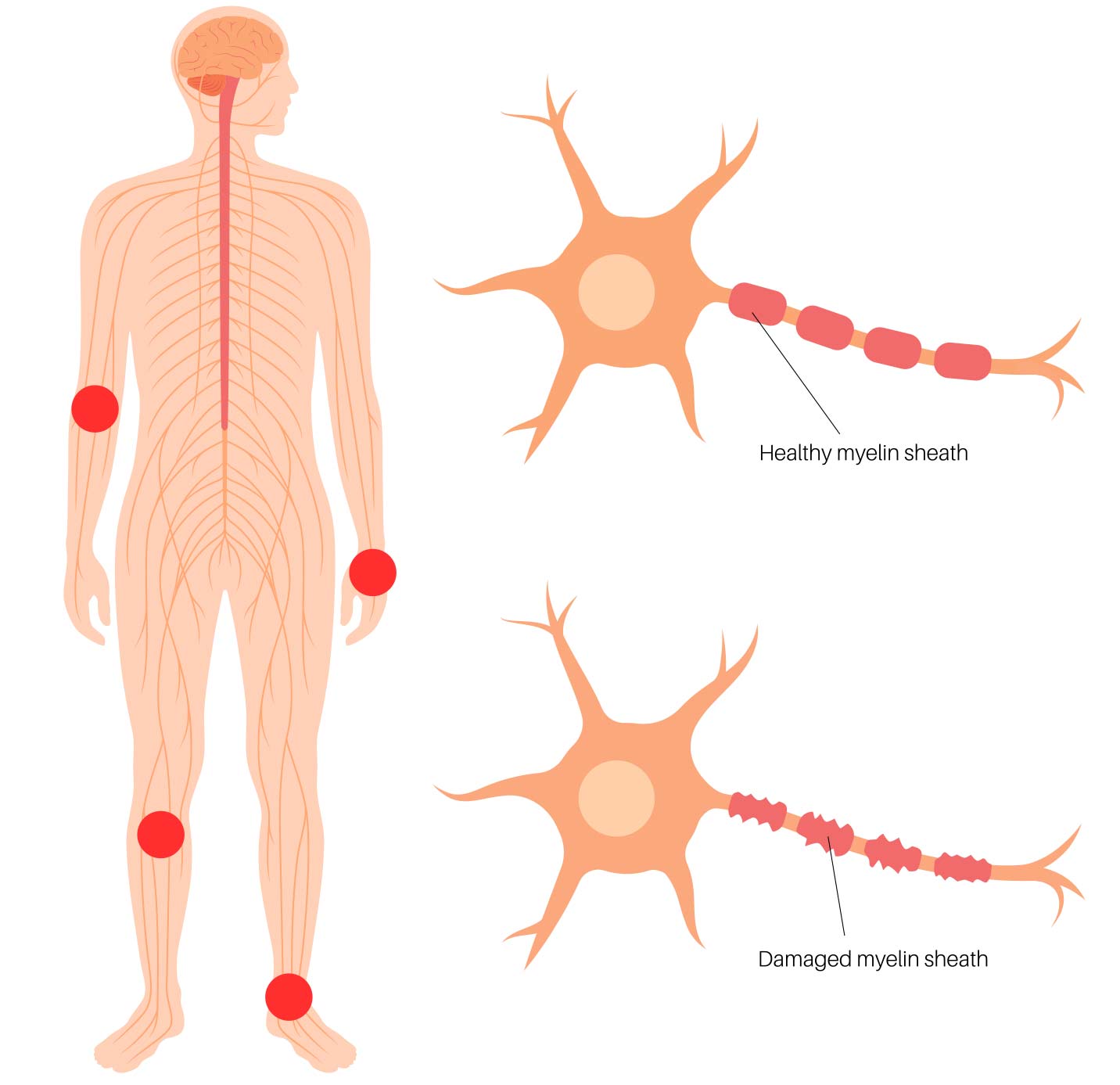
Your peripheral nervous system is the network of nerves that runs from your brain and spinal cord out to your limbs, organs, and skin. These nerves carry signals in both directions — telling your legs to move, reporting pain when you touch something hot, and managing functions you don't consciously control, like heart rate and digestion.
Peripheral neuropathy occurs when the peripheral nerves are damaged or stop functioning properly. 
Instead of sending normal signals, they misfire, which produces pain when there's no injury, creating numbness where there should be sensation, or making light touch feel burning or electric.
The condition most often affects the feet and lower legs first, though it can also involve the hands, arms, or other areas depending on the underlying cause.
Peripheral neuropathy is not one condition. There are more than 100 types, caused by different mechanisms, affecting different nerve fibers, and requiring different management approaches. Getting the diagnosis right matters.

How Patients Describe It

Neuropathy symptoms are distinctive. Most patients recognize them immediately, even if they don't know the medical term:
Burning pain in the feet, especially at night
Tingling, pins and needles, or a crawling sensation in the legs or feet
Numbness or reduced sensation (stepping on something and not feeling it)
Sharp, shooting, or electric shock-like pain
Hypersensitivity, even the weight of bedsheets feels painful
Weakness or instability, particularly when walking
Balance problems or increased risk of falls
These symptoms are not imaginary. They are not something you simply have to live with. And they are not automatically permanent.
Get Pain Relief

What Causes Peripheral Neuropathy?

Peripheral neuropathy can develop from a range of underlying conditions and exposures. Identifying the cause is an important part of developing the right treatment strategy.
Diabetes

The most common cause of peripheral neuropathy in the United States. Persistently elevated blood sugar gradually damages the small blood vessels that supply nerves, leading to progressive nerve fiber loss — typically starting in the feet.

Chemotherapy (CIPN)

Many chemotherapy drugs are toxic to peripheral nerves. Chemotherapy-induced peripheral neuropathy (CIPN) can persist long after treatment ends and significantly affects quality of life in cancer survivors.

Autoimmune conditions

Conditions such as Guillain-Barré syndrome, lupus, and rheumatoid arthritis can cause the immune system to attack peripheral nerves directly.

Vitamin deficiencies

B12 deficiency in particular is a well-established cause of peripheral neuropathy. Deficiencies in B1, B6, and vitamin E can also contribute.

Idiopathic (unknown cause)

In a significant portion of cases — some estimates suggest 30% or more — no identifiable cause is found despite thorough evaluation. This is called idiopathic neuropathy. It is real, it is treatable for symptoms, and it is not the patient's fault.

Post-surgical nerve damage

Peripheral nerve damage can occur during or following surgery. The pattern depends on which nerves were affected and how significantly.

Alcohol use

Chronic heavy alcohol use is toxic to peripheral nerves and a recognized cause of neuropathy.

Kidney or liver disease

Organ dysfunction can affect the chemical environment nerves depend on, leading to neuropathic changes over time.

When Should You See a Pain Management Specialist?

Primary care and neurology are often the first stops for patients with neuropathy — and appropriately so. But there are specific circumstances where pain management specialist care becomes the right next step:
Your neuropathy pain has not been adequately controlled with medications — or the medications cause side effects that affect your quality of life
Your symptoms are getting worse despite treatment
Neuropathy is affecting your sleep, your ability to walk, your balance, or your daily function
You have diabetic neuropathy that is progressing despite good blood sugar management
You have post-chemotherapy neuropathy that has persisted for months or years
You have been told there is nothing more that can be done — and you want a second opinion from an interventional specialist
A pain management specialist brings a different toolkit than a neurologist or primary care provider. The focus is not primarily on identifying the underlying cause — it's on providing durable, meaningful pain relief using interventional approaches that go beyond medication management.
Get Pain Relief
Or Call Brock Pain Medicine: (469) 742-9950

How Peripheral Neuropathy Is Treated

Treatment is not the same for every patient. At Brock Pain Medicine, evaluation comes first — understanding the pattern of your neuropathy, its severity, what you've already tried, and what functional goals matter most to you. From there, a personalized plan is developed.
Treatment options that may be considered, depending on your specific situation, include:
Medication Management
When medication is part of the plan, the goal is the right medication at the right dose — not simply cycling through standard options. Certain medications target neuropathic pain specifically and can be highly effective when matched correctly to the patient's pain type.
Targeted Nerve Blocks and Injections
In some cases, targeted injections can disrupt the pain signaling pathway driving neuropathic symptoms. These approaches are considered when the pattern of neuropathy suggests a specific anatomical target that may respond to intervention.
Learn More
Peripheral Nerve Stimulation (PNS) via Nalu
For patients with chronic peripheral nerve pain that has not responded adequately to medications or injections, Peripheral Nerve Stimulation is one of the most promising advanced options available. The Nalu Neurostimulation System delivers mild electrical pulses directly to the peripheral nerves generating pain — interrupting the pain signal before it reaches the brain. It is drug-free, minimally invasive, and trialed before any permanent commitment.
Learn More
Spinal Cord Stimulation (SCS)
For patients with diabetic peripheral neuropathy and certain other forms of chronic neuropathic pain that have not responded to other treatments, Spinal Cord Stimulation is an FDA-approved option with a growing body of evidence supporting its use. SCS delivers electrical impulses alongside the spinal cord to modify how the brain perceives pain — often providing significant and durable relief for appropriately selected patients. Like PNS, it is trialed before permanent implantation.
Learn More

If Your Neuropathy Hasn't Responded to What You've Already Tried, There May Be More Options Than You've Been Told

Neuropathy can be a long and frustrating condition to manage. Medication helps some patients significantly — and leaves others still searching. If you're in the second group, a specialist evaluation at Brock Pain Medicine will tell you whether interventional options are appropriate for your situation, and what a realistic path forward looks like.
You don't have to accept a life organized around nerve pain. And you don't have to keep trying the same things and expecting different results.
Get Pain Relief
Or Call Brock Pain Medicine: (469) 742-9950