
Your Pain Doesn’t Have to Fit a Category to Deserve Treatment
Pain doesn’t always fall into a specific category. Many patients live with pain in their knees, ankles, elbows, or feet. Others are managing the physical toll of cancer treatment or the persistent pain that sometimes follows a surgery that otherwise went well.
All of these are conditions Brock Pain Medicine evaluates and treats. Schedule an evaluation to find out how we can help.
Schedule My ConsultationOr Call Brock Pain Medicine: (469) 742-9950
Knee Pain
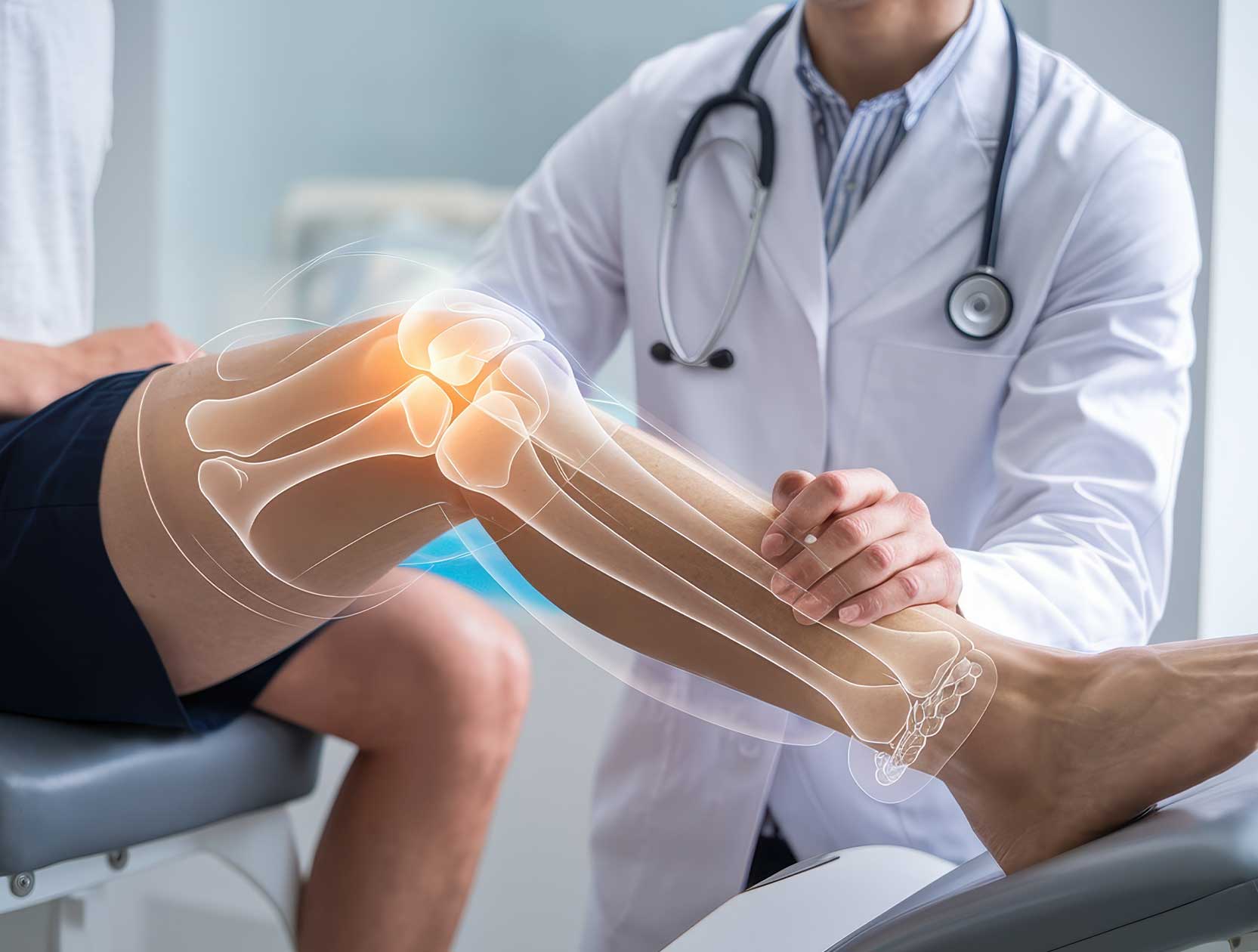
Knee pain is one of the most common joint complaints we see outside of the spine. It can develop from osteoarthritis, ligament injury, meniscal degeneration, bursitis, or referred pain from the hip or lumbar spine. When knee pain limits walking, climbing stairs, or daily activity and has not responded to conservative care, specialist evaluation is appropriate.
Treatment options for knee pain include corticosteroid injections directly into the joint to reduce inflammation, hyaluronic acid injections for osteoarthritis, and genicular nerve blocks or radiofrequency ablation for patients with confirmed osteoarthritic knee pain who want longer-lasting relief than injections alone provide.

Ankle and Foot Pain
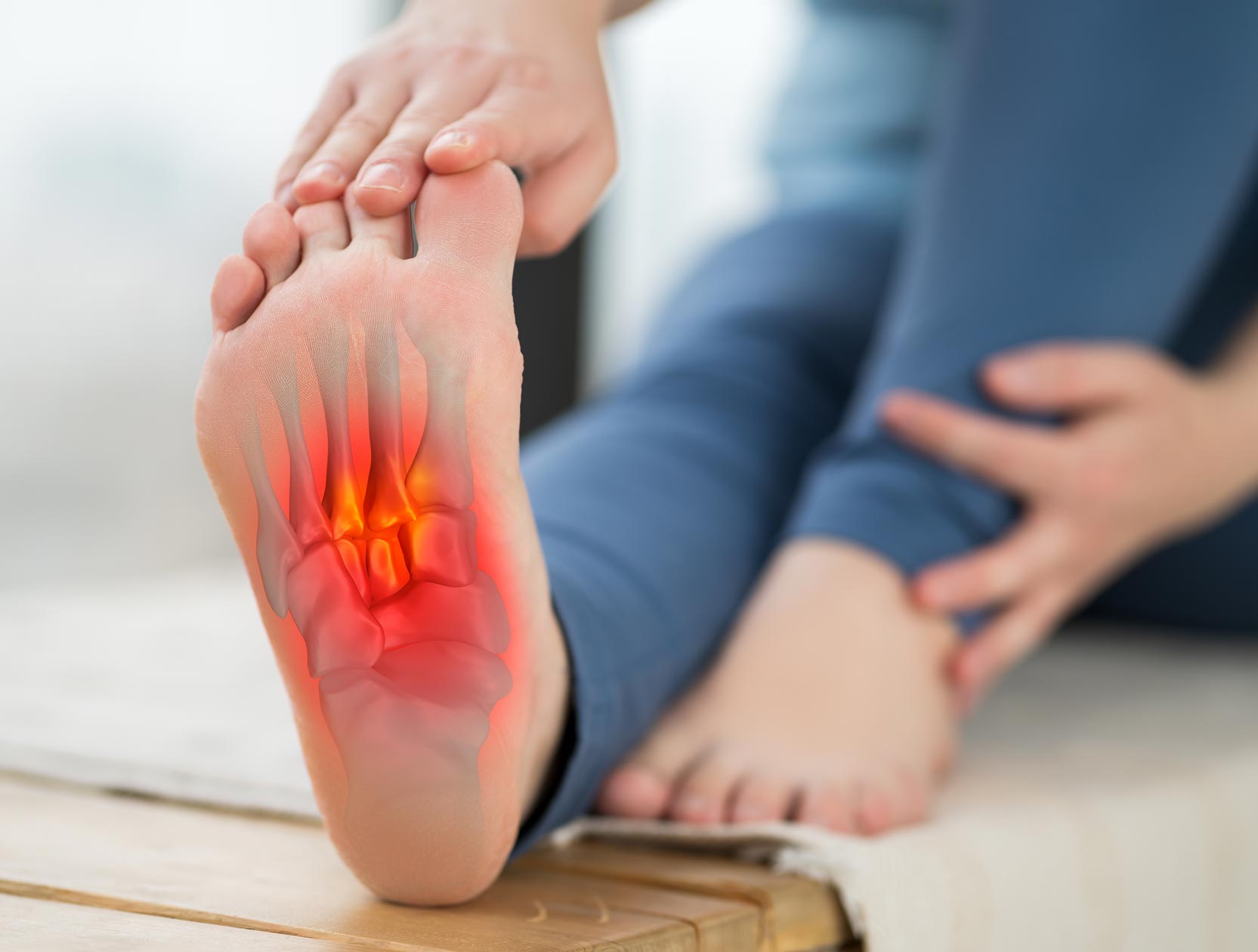
Chronic ankle and foot pain — from osteoarthritis, plantar fasciitis, tarsal tunnel syndrome, or nerve entrapment — significantly limits mobility and quality of life. When physical therapy, orthotics, and standard medication haven’t provided lasting relief, interventional options, including targeted joint injections and nerve block, can address the specific pain source more directly.
Elbow Pain
Persistent elbow pain — from lateral or medial epicondylitis, cubital tunnel syndrome, olecranon bursitis, or joint arthritis — can significantly limit hand and arm function. When conservative treatment has not resolved the pain, targeted injections and nerve blocks can provide relief that restores function.


Cancer Pain
Cancer pain is among the most complex and serious chronic pain conditions we treat. It may arise from the tumor itself pressing on nerves or tissue, from the effects of chemotherapy or radiation on the nervous system, or from surgical procedures undertaken as part of cancer treatment. Each has a distinct character and may require a distinct approach.
At Brock Pain Medicine, cancer pain management is coordinated alongside your oncology team. Our goal is to address the pain component specifically and aggressively, so that the energy you have is available for treatment and recovery rather than consumed by uncontrolled pain.
Treatment options for cancer pain may include targeted nerve blocks, epidural or intrathecal interventions, medication management, and — for appropriate patients — Peripheral Nerve Stimulation or Spinal Cord Stimulation to address refractory pain that has not responded to other approaches.

Abdominal and Visceral Pain
Chronic abdominal pain that has been thoroughly evaluated by gastroenterology and other specialists without an actionable surgical or medical explanation may have a neurological or musculoskeletal component amenable to pain management intervention. Celiac plexus blocks, superior hypogastric plexus blocks, and other nerve-targeted approaches can provide relief for visceral pain syndromes that haven’t responded to standard treatment.
Post-Surgical Pain
Surgery is intended to relieve pain. When it doesn’t — or when pain develops after a procedure that otherwise went well — the cause is usually nerve-related. Post-surgical nerve pain can develop from direct nerve injury during surgery, from scar tissue formation around nerve structures, or from sensitization of the nervous system triggered by the surgical event.
Post-surgical pain conditions we commonly evaluate include:
Post-herniorrhaphy pain syndrome (following hernia repair)
Post-mastectomy pain syndrome
Post-thoracotomy pain syndrome
Post-laminectomy or post-spinal-surgery pain
Persistent pain following joint replacement
Stump pain and phantom limb pain following amputation
Treatment options include targeted nerve blocks, Peripheral Nerve Stimulation via the Nalu system, and medication management for the neuropathic component. PNS is particularly relevant for post-surgical nerve pain that is localized to a specific anatomical region — it is one of the conditions with the strongest evidence base for this approach.
If You’re in Pain and Not Sure Where to Start, Start Here
You do not need to arrive at Brock Pain Medicine with a confirmed diagnosis, a complete treatment history, or certainty about what is causing your pain. What you need is to describe what you are experiencing. The evaluation will take it from there.
Brock Pain Medicine treats pain in all its forms. If what you are living with isn’t listed elsewhere on this site, call us and describe it. The answer may surprise you.
Schedule My ConsultationOr Call Brock Pain Medicine: (469) 742-9950